Your Rights at Sea: What the Maritime Labour Convention Guarantees Every Seafarer
When a young person leaves home for their first ship, parents usually worry about the sea: storms, distance, the long months apart. Fewer people think to ask a quieter question. Out there, far from any labour office, who decides how many hours you work, whether you get fed, or how you get home if something goes wrong?
The answer is an international treaty called the Maritime Labour Convention, 2006, usually shortened to MLC 2006. It is often called the seafarers’ bill of rights. India ratified it on 9 October 2015, and it came into force for India on 9 October 2016, according to the International Labour Organization. This guide explains, in plain words, what it promises you. Every number below is taken from the official ILO text, checked on 10 November 2026.
Your Key Rights at a Glance
| Right | What MLC 2006 says |
|---|
| Minimum age | No one under 16 may work on board. No night work under 18 |
| Working and rest hours | At least 10 hours of rest in any 24 hours and 77 hours in any 7 days, or no more than 14 hours of work in 24 hours and 72 in 7 days |
| Wages | Paid at least once a month, with a monthly account of what you were paid |
| Paid leave | At least 2.5 calendar days of paid annual leave per month of employment |
| Repatriation | A free trip home in set cases, with service periods on board of less than 12 months |
| Food and water | Free of charge during your engagement, enough in quantity and quality |
| Medical care | Free on board and when landed in a foreign port, as far as national law allows |
| Recruitment fees | Agencies may not charge you for finding you a job |
One thing to understand first: MLC sets minimum standards. Each country, and the flag your ship flies, writes these into its own law, and a good company or union agreement can give you more.
Working Hours and Rest: The Rule That Protects Your Sleep
Fatigue is one of the real dangers of life at sea. So the convention sets hard limits. Under Standard A2.3, each country must fix either a maximum of work or a minimum of rest:
- Work: no more than 14 hours in any 24-hour period, and 72 hours in any 7 days; or
- Rest: at least 10 hours in any 24-hour period, and 77 hours in any 7 days.
Rest can be split into no more than two periods, one of them at least six hours long, and there should be no more than 14 hours between rest periods. Drills should be done in a way that disturbs rest as little as possible, and if you are on call and get woken up, you are owed compensatory rest.
The master can suspend these limits in an emergency, for the safety of the ship, people or cargo, but you must get adequate rest afterwards. For a feel of what a normal day looks like, read our guide to the daily routine of a merchant navy officer.
Your Contract, Your Wages and Your Leave
Before you sign a Seafarers’ Employment Agreement, the convention says you must get a chance to read it and seek advice. Both you and the shipowner keep a signed original, and a copy must be available on board.
- Wages must be paid at intervals no longer than a month, with a monthly account showing what you earned, any extras, and the exchange rate if you are paid in another currency.
- Paid annual leave is at least 2.5 calendar days per month of employment, and any agreement to give up that minimum is prohibited, except where the authorities allow it.
Exactly how leave pay works depends on your contract. We explain the details in our post on how many months officers spend at sea and at home.
Getting Home: Repatriation and Abandonment
This is the part every parent should know. Under Standard A2.5.1, you are entitled to be sent home, at the shipowner’s cost, if your contract ends while you are abroad, if the shipowner ends it, if you end it for justified reasons, or if you can no longer do your job. The maximum period of service on board before you are entitled to go home must be less than 12 months.
The shipowner cannot ask you to pay an advance towards the cost of going home, and cannot take it from your wages, except where you have been found in serious default of your duties under national law.
If a shipowner abandons the crew, the convention requires a financial security system that covers up to four months of unpaid wages, four months of other entitlements, the cost of getting home, and essentials such as food, water, accommodation and medical care until you reach home. Sadly, abandonment is not rare. DG Shipping’s own figures on this are in our post on the new CDC rules.
Food, Medical Care and Your Medical Certificate
- Food and drinking water must be provided free of charge, enough in quantity, nutritional value, quality and variety, and with regard to religious and cultural practice.
- Medical care on board, and when landed in a foreign port, should be free of charge to the extent national law allows. You also have the right to see a doctor or dentist in port without delay, where practicable.
- Your medical certificate is valid for up to two years (one year if you are under 18), and colour vision certification for up to six years. Our guide to the merchant navy medical test explains what is checked.
No Fees for a Job: Know This Before You Pay Anyone
This one line could save your family a lot of money. Under Standard A1.4, licensed recruitment and placement agencies must not charge seafarers, directly or indirectly, for recruitment, placement or providing employment.
The only costs the convention lets you bear are your own statutory medical certificate, your national seafarer’s book and your passport. Even visa costs are to be paid by the shipowner.
Course fees at a training institute are a different matter. But if an agent asks you for money to “get you a ship”, that is exactly what this rule is meant to stop. Ask for a written receipt, and check that the agency is licensed.
Where to Go If Your Rights Are Ignored
MLC requires every ship to have an on-board complaint procedure, so you can raise a problem without being victimised for it. Port State inspectors can also check conditions when a ship visits their country. In India, the Directorate General of Shipping (now also called the Directorate General of Maritime Administration) is the authority responsible for applying MLC here.
Keep copies of your contract, your pay slips and any messages about your wages or leave. Records are what make a complaint work.
Why This Matters Before You Even Join
Knowing your rights does not make you difficult. It makes you safer, and it helps you pick a good company. A company that pays monthly with clear pay slips, explains leave in writing and never asks you for “placement money” is usually a company that treats its people well.
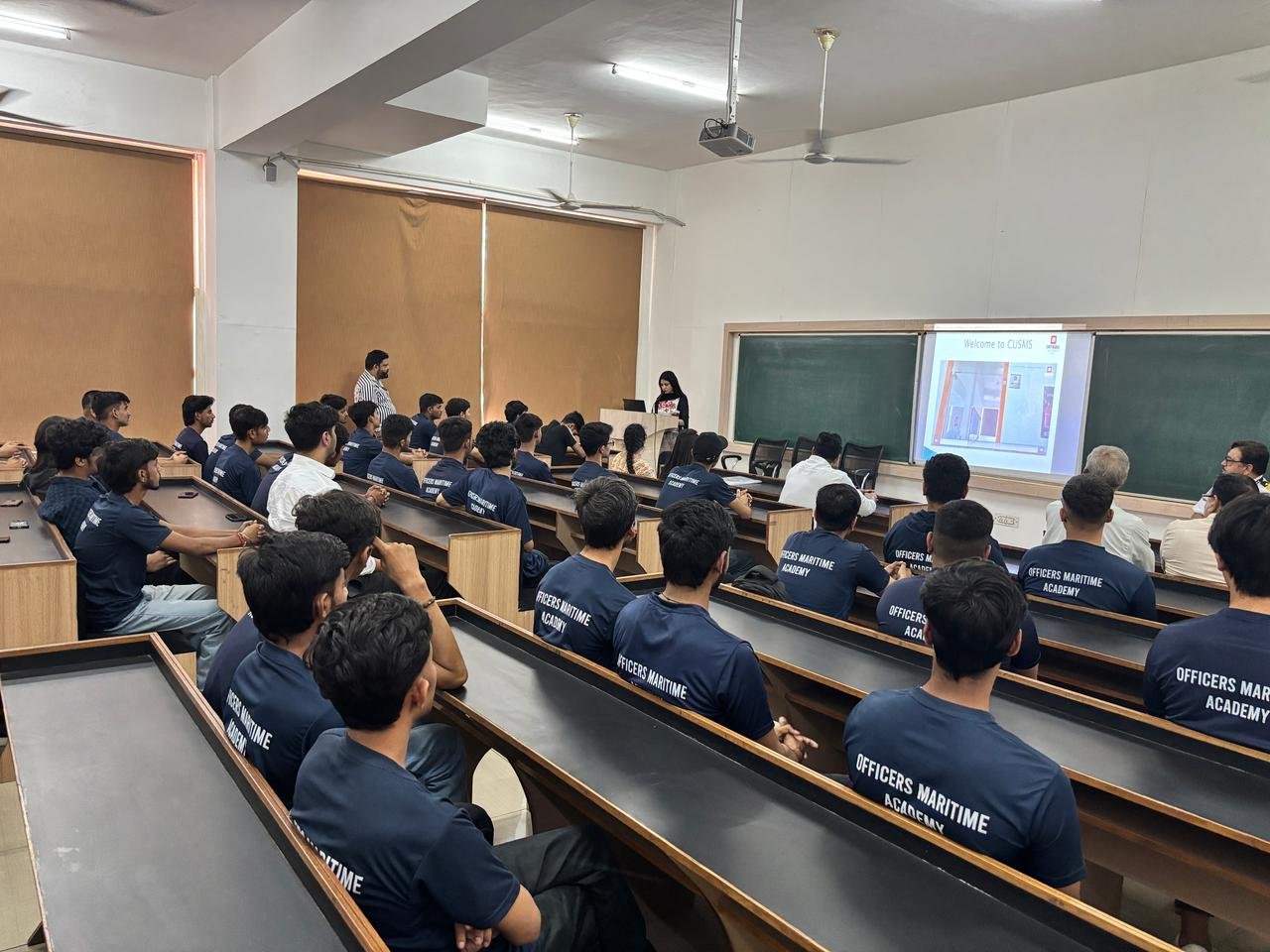
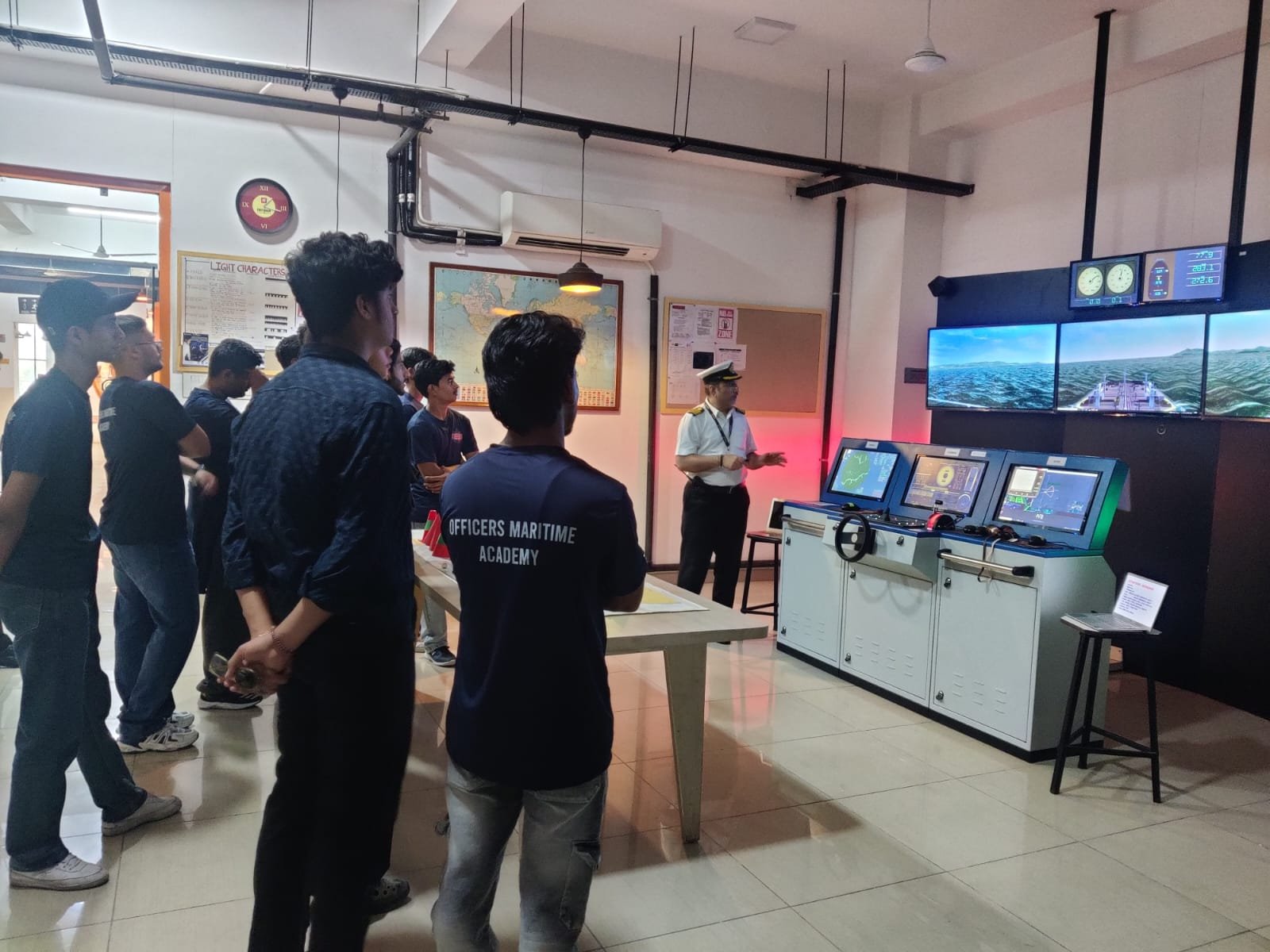
If you are still at the start, choosing a course and preparing for entrance or sponsorship exams, talk to us at Officers Maritime Academy in Dehradun. We would rather you begin this career well informed.
Frequently Asked Questions