Seafarer's Identity Document (SID) Rules 2026: New Fee, 5-Year Validity and How to Apply
Short answer: The Seafarer’s Identity Document (SID, often called the BSID card) is the biometric ID India gives its seafarers under ILO Convention 185. Under the new Merchant Shipping (Seafarers’ Identity Document) Rules, 2026, it costs ₹3,000, is valid for five years instead of ten, and you can apply only after you hold an Indian CDC.
By the Officers Maritime Academy team, Dehradun · Updated 14 November 2026 · Based on the Gazette notification and DGMA circulars linked below
Key takeaways
- The new SID Rules were notified on 6 July 2026 (G.S.R. 584(E)) and replace the 2016 biometric SID rules.
- Every SID service now costs ₹3,000: new card, renewal, duplicate or correction (DGMA Circular 73, 2 November 2026).
- A new SID is valid for 5 years. Cards issued under the 2016 rules were valid for 10.
- You need a valid Indian CDC and your original passport at the biometric appointment.
- Since 26 October 2026, every kind of CDC application goes through the new e-Samudra portal (Circular 71).
If you are about to finish pre-sea training, there is a moment when the paperwork suddenly feels bigger than the course. INDoS, CDC, SID, passport, medical: everyone around you uses the short forms as if you were born knowing them. This post takes one of those documents, the SID, and walks through what changed in 2026, in plain words and with the official sources next to each fact.
What is a Seafarer's Identity Document (SID)?
An SID is a seafarer’s identity card, issued by the Shipping Master, which other countries recognise when you go ashore, transit or change ships. India’s version is a chip-based card with your biometrics, which is why people call it the BSID (Biometric Seafarer’s Identity Document).
The card exists because of an international treaty: the Seafarers’ Identity Documents Convention (Revised), 2003, known as ILO Convention No. 185. India deposited its ratification with the ILO on 9 October 2015 (ILO). Rule 11 of the 2026 Rules says a valid SID issued under this convention “shall be recognised for the purposes of entry, shore leave, transit and transfer”, subject to health, safety, public order and national security checks (SID Rules 2026).
India began issuing chip-based BSID cards on 5 April 2019, and DGMA says more than 4 lakh cards had been issued by July 2026 (DGMA Circular 44 of 2026).
Terms you will see on the forms:
- INDoS: your Indian National Database of Seafarers number. You log in to the SID portal with it.
- CDC: the Continuous Discharge Certificate, your record of sea service. You need it before you can apply for an SID.
- Shipping Master: the “issuing authority” for both the CDC and the SID.
- SID e-module: the DGMA website where you apply, pay and book your biometric slot.
SID Rules 2026 at a glance
| Point | What the 2026 Rules say |
|---|
| Notified | G.S.R. 584(E), 6 July 2026, under the Merchant Shipping Act, 2025 |
| Replaces | Merchant Shipping (Seafarers’ Bio-metric Identity Document) Rules, 2016 |
| Who can apply | An Indian citizen with a valid Indian CDC (Rule 2) |
| Fee | ₹3,000 each for a new card, renewal, duplicate, or replacement/alteration |
| Validity | 5 years from issue or renewal (Rule 5) |
| When to renew | Up to 18 months before expiry, or any time after it |
| Issue time | Printed and issued within 30 days of the application (Rule 4(4)) |
| Delivery | Speed post to your address; in urgent cases, by hand with proof of vessel joining from the ship owner |
| Not collected | Cancelled if you have not received it within one year of issue |
| Appeal | To the Principal Officer within 60 days; decided within 30 days |
Source: Merchant Shipping (Seafarers’ Identity Document) Rules, 2026; fee confirmed in DGMA Circular 73 of 2026.
What changed from the 2016 rules?
Three changes matter most if you are starting out: a shorter validity, one flat fee, and renewals you can now do online.
| Topic | Before (2016 rules) | Now (2026 rules) |
|---|
| Validity of a new card | 10 years | 5 years |
| Fee | Set under the old rules | ₹3,000 for every service, in force from 6 July 2026 and applied in the e-module from 2 November 2026 |
| Online renewal, duplicate or correction | Not possible in the old BSID module (Circular 44) | Possible through BSID Version 2.0, live since 1 August 2026 |
| Biometrics | Original 2019 BSID software | BSID 2.0 adds facial biometrics technology |
| Card lost to fire or marine peril | — | Duplicate issued free (Rule 7(4)) |
Already hold a 10-year card? DGMA says existing BSIDs “remain valid till the respective date of expiry” and holders need not do anything for BSID 2.0 (Circular 44). Rule 6(1) adds that holders of 10-year cards may renew after the first five years. We read this as an option, not a duty, but ask your company if its policy is stricter.
Circular 44 also explains why online renewal mattered. Seafarers whose cards expired, or whose details changed, had no way to apply online, and this “caused inconveniences to the seafarers at several foreign ports” and sometimes led to penalties on the vessel. Behind that dry line are real people stopped at a gangway in a foreign port.
SID vs CDC vs passport: which document does what?
Searches like “CDC passport” show how often these documents get mixed up. They work together, but none replaces another.
| Document | What it is for | Validity | Govt fee |
|---|
| INDoS number | Your seafarer ID in the national database. You usually get it while doing your first DG-approved course. | Not applicable | — |
| CDC | Your record of service at sea. It needs a medical, the 5 basic STCW courses, Class 10 and an age of at least 16. | 10 years | ₹3,000 |
| SID (BSID) | A biometric ID for shore leave, transit and transfer under ILO C185 | 5 years | ₹3,000 |
| Passport | Your travel document as an Indian citizen. Both the CDC and SID forms ask for it. | Set by MEA | Set by MEA |
CDC details from the Merchant Shipping (Continuous Discharge Certificate) Rules, 2026. Our CDC guide explains that document in full, and this post on DGS Order 12 covers why the five STCW courses alone no longer get you a CDC.
How do you apply for an SID in 2026?
You apply online, pay, book a slot, then go to a centre once for biometrics. The steps below follow Rule 4 and the official BSID 2.0 user manual attached to Circular 44.
- Check your INDoS details first. The SID form pulls your name, date of birth and other details from INDoS. If anything is wrong, fix it on the DG Shipping INDoS portal before you apply.
- Log in to the SID portal with your INDoS number and password, then enter the OTP sent to your registered mobile.
- Choose “Apply for SID”, check the details, and type the address where the card should be posted.
- Pay ₹3,000 online. First-time applicants choose “Fresh Appointment”; there is a separate “UK/Brazil Appointment” option.
- Book a centre and a time slot. You can cancel only before the verification officer checks your file, and only three times. After that you pay again.
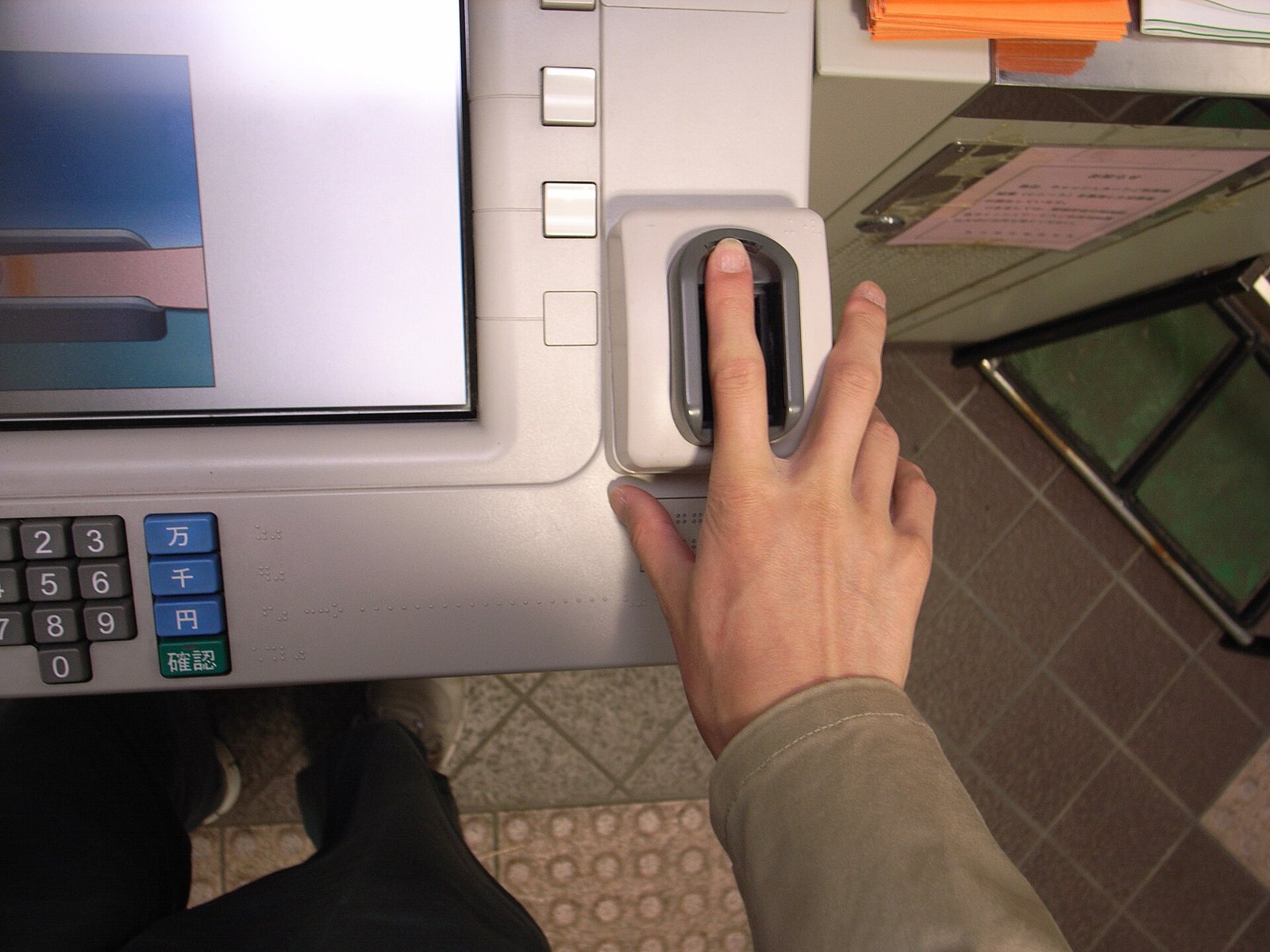
- Go to the appointment with your CDC and your original passport. Your photo, signature and biometrics are captured there. The photo you uploaded online is only for your portal profile.
- Track the status online. The Rules give the Shipping Master 30 days from the application to issue the card, which then goes by speed post.
Where can you give biometrics? The centre list appears in the portal when you book. The newest centre, at MMD Patna, opened on 12 October 2026 as DGMA’s 10th BSID data-capturing centre. It offers 100 slots a day, Monday to Friday (DGMA Circular 70 of 2026). That is good news for students from Bihar, Jharkhand and eastern Uttar Pradesh.
What if your SID is lost, damaged or your details change?
- Lost in India: apply for a duplicate with a copy of the police complaint.
- Lost on board: attach the enquiry report and the official logbook entries.
- Lost in extraordinary circumstances with no logbook entry: submit evidence from the flag state or the ship owner.
- Lost to fire on board or another marine peril: the duplicate is free.
- Damaged card or changed details: apply for a replacement and hand in the old card. A change of details needs a valid passport. Your SID number stays the same.
An SID can also be suspended or cancelled, for example after a smuggling conviction under the Act, or automatically if your CDC is cancelled. The Rules require a written, reasoned order and a chance for you to be heard first (Rule 9).
The CDC has also moved to e-Samudra
The SID is not the only paperwork that has moved online. Since 2 October 2026, fresh CDC applications go through DGMA’s new e-Samudra portal (esamudra.dgshipping.gov.in). From 26 October 2026, replacement, duplicate and renewal CDCs moved there too, along with the Cook Certificate of Competency (DGMA Circular 71 of 2026).
- A replacement CDC no longer requires you to hand in the old booklet.
- Companies and agencies can confirm a CDC with the “CDC Checker” on the DGMA website.
- If you applied on the old e-Governance portal, do not apply again; your application will still be processed.
What should a merchant navy student do, and in what order?
The order is fixed by the Rules: no CDC, no SID. In practice the path looks like this:
- Join a DG-approved pre-sea course or the basic STCW courses. This is where you get your INDoS number. (Our pre-sea training guide explains what the course involves.)
- Clear the approved medical and complete the five basic STCW courses.
- Apply for your CDC on e-Samudra.
- Once your CDC is issued, apply for your SID and book the biometric slot.
On government fees alone, the CDC and SID now cost ₹3,000 each. Add travel to the biometric centre if there isn’t one near you. For the bigger numbers, such as course fees, see our merchant navy course fees guide.
What we could not confirm
- The Rules do not say in so many words that an SID is compulsory before your first sign-on. Many companies ask for it, and Circular 44 notes penalties at foreign ports when cards had lapsed. Ask your company or RPS agency.
- We could not find a current official list of all ten biometric centres outside the portal itself.
- Actual delivery times may differ from the 30-day limit in the Rules.
A note for parents
For a family, the SID can feel like one more form. For the seafarer, it is often the card that decides whether they can step off the ship after weeks at sea, call home from a seafarers’ club, or walk around a city they will probably never see again. Under the convention, that small card stands for a seafarer’s right to be treated as a professional, not a stranger, at a foreign port. It is worth getting right, and getting early.
Frequently Asked Questions
Sources
- Merchant Shipping (Seafarers’ Identity Document) Rules, 2026, G.S.R. 584(E), Gazette of India, 6 July 2026
- DGMA Circular 73 of 2026, 2 November 2026: SID fee and validity
- DGMA Circular 44 of 2026, 31 July 2026: BSID Version 2.0 and user manual
- DGMA Circular 70 of 2026, 21 October 2026: MMD Patna biometric centre
- DGMA Circular 71 of 2026, 22 October 2026: CDC services on e-Samudra
- Merchant Shipping (Continuous Discharge Certificate) Rules, 2026
- ILO: India ratifies Convention No. 185 and MLC, 2006 (9 October 2015)
Officers Maritime Academy is a coaching institute in Dehradun. We are not a DG Shipping office and cannot issue or speed up any document. Always check the latest DGMA notice before you apply.