Marine Engineer Exam Pass Rates 2025: What DG Shipping's New Report Says About Class IV, Class II, Class I and ETO
Short answer: DG Shipping’s STCW Annual Report 2025 (Engineering), published on 10 November 2026, shows 2,700 MEO Class IV certificates issued in 2025, a record, with a success rate of 88%. The hard step is the Second Engineer exam: only 43% of MEO Class II candidates got through. Class I (Chief Engineer) stood at 70% and ETO at 48%.
By the Officers Maritime Academy team, Dehradun · Updated 15 November 2026 · All figures are from the DGMA STCW Annual Report 2025 (Engineering)
Key takeaways
- 2,700 MEO Class IV certificates were issued in 2025, the most in the seven years the report covers.
- Class II is the bottleneck: 2,657 candidates, 1,143 certificates, a 43% success rate.
- Chief Engineer (Class I): 735 certificates, 17% more than in 2024.
- ETO: 385 certificates, also up 17%, but under half of candidates got through.
- Engineering CoC exams run every month except May, at Mumbai, Chennai, Kolkata, Kochi and Noida (some grades only), plus Visakhapatnam.
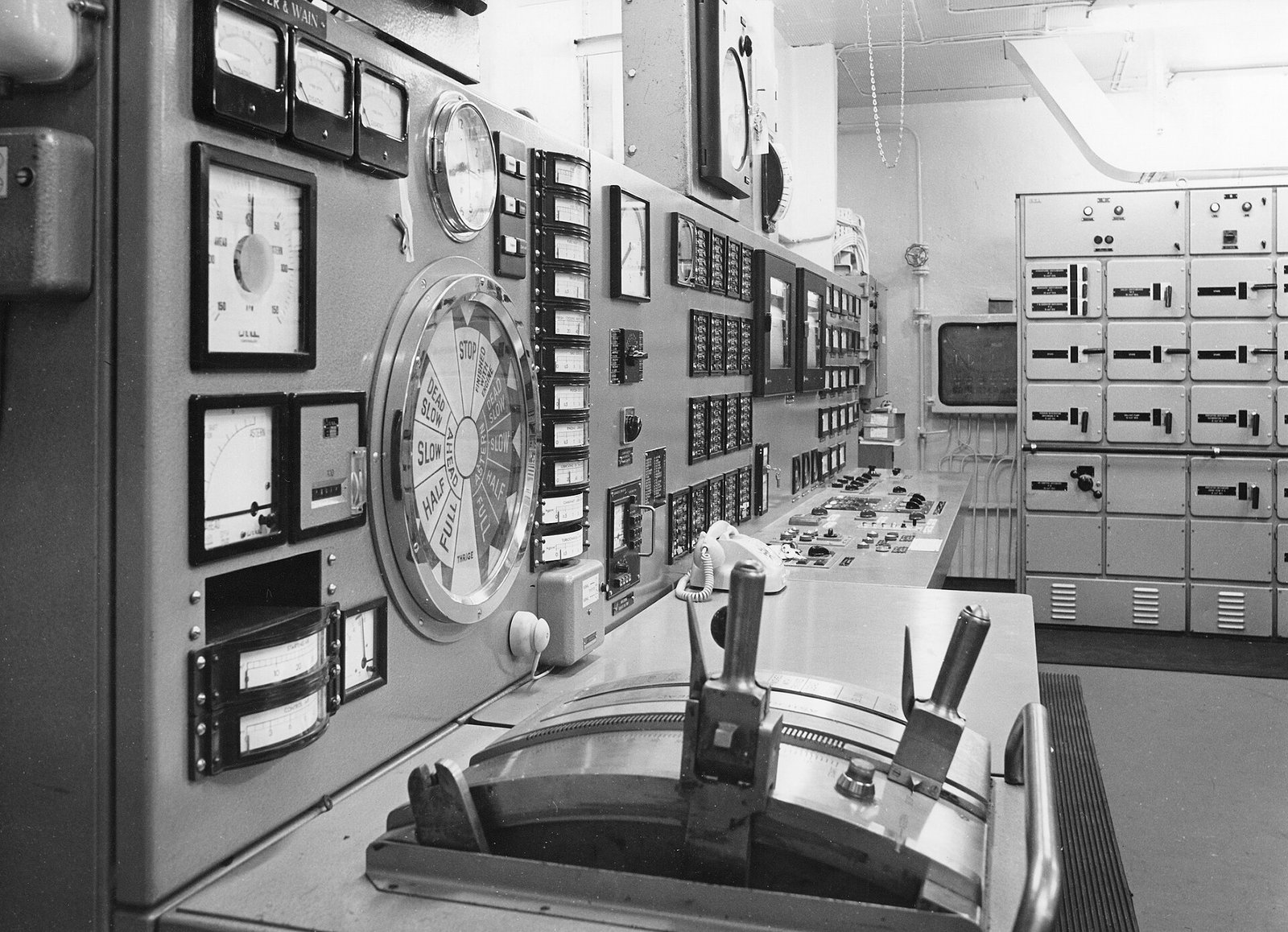
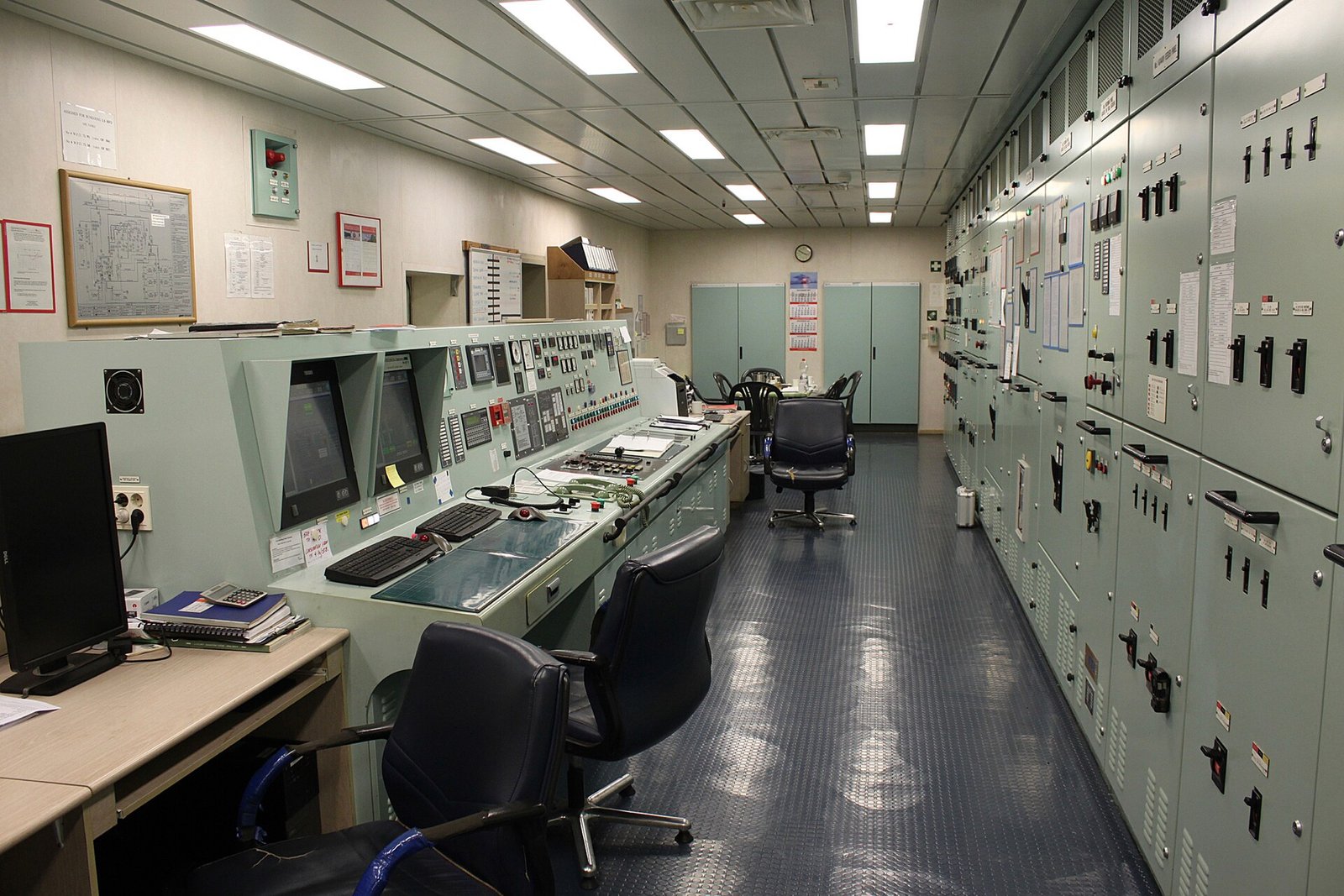
Every marine engineer remembers the first time they stood in a running engine room: the heat, the noise that makes you shout, the feeling that this machine is far bigger than anything you studied. What fewer students hear about before they join is the second climb, the one that happens at a desk. A marine engineer moves up the ranks by passing government Certificate of Competency (CoC) exams, one grade at a time. On 10 November 2026, DG Shipping published its own scorecard for those exams. Here is what it says, in plain language.
What are the marine engineer CoC grades?
A Certificate of Competency is the licence that lets you hold a particular rank on a ship. The international STCW Convention sets the standard for each one, and DG Shipping (now the Directorate General of Maritime Administration, DGMA) runs the exams in India. The report describes the grades this way:
- MEO Class IV: Officer in Charge of an Engineering Watch on ships of 750 kW or more (STCW A-III/1). This is your first officer licence, usually taken after a B.Tech Marine Engineering, a diploma or the GME course, plus sea time.
- MEO Class II: Second Engineer Officer on ships of 3,000 kW or more (A-III/2).
- MEO Class I: Chief Engineer on ships of 3,000 kW or more (A-III/2).
- ETO: Electro-Technical Officer (A-III/6), the officer who looks after a ship’s electrical and electronic systems.
- Extra First Class: the highest engineering certificate, held twice a year. Only three were issued in 2025.
Class IV and Class II each have a Part A, with written subjects such as Applied Mechanics, Heat Engines, Mathematics and Engineering Drawing (Class IV), and a Part B: written papers plus orals on four STCW “functions”. Class I has one written paper, Engineering Management, and one oral.
How many candidates passed each exam in 2025?
| Grade | Candidates in 2025 | CoCs issued in 2025 | DGMA success rate | Change vs 2024 |
|---|
| MEO Class IV | 3,057 | 2,700 | 88% | +6% |
| Electro-Technical Officer | 809 | 385 | 48% | +17% |
| MEO Class II | 2,657 | 1,143 | 43% | +3% |
| MEO Class I | 1,002 | 735 | 70% | +17% |
Source: STCW Annual Report 2025 (Engineering), DGMA, pages 15–21 and 46.
Read the “success rate” carefully. DGMA calculates it by comparing the certificates issued in a year with the candidates who registered or appeared that year. It is not the chance of passing in one attempt. Some people who passed in 2025 began their exams in 2024, and some who registered in 2025 will finish in 2026. Use it as a sense of how hard each step is, not as your personal odds.
Why is MEO Class II the hardest step?
On these numbers, Class II is where the queue builds up. Class IV converts almost nine in ten candidates into officers. Class II, the Second Engineer licence, converts fewer than half. By the time an engineer reaches Class I they have usually come through that filter, and the rate climbs back to 70%.
The report points to some reasons without spelling them out as a list. Class II is the first exam at the management level. Its written papers include Naval Architecture, Ship Safety and Environmental Protection, Marine Engineering Knowledge (General and Motor/Steam), Marine Electro-Technology and Marine Engineering Practice, each with an oral. Most candidates sit it after years of watchkeeping, often studying between contracts. Anyone who has tried to revise thermodynamics in a two-month shore leave, with a family that wants to see you, will understand why.
The report also shows how much preparation matters. Among institutes that ran the four-month Class II preparatory course for at least 100 candidates, results ranged from 38.8% to 58.5%. For the two-month Class I course (at least 50 candidates), the range was 30.65% to 60%. The report names the institutes; we have not repeated the names here, but the PDF is linked below.
Is the number of marine engineers growing?
Yes. Apart from a sharp dip in 2020 (the report gives no reason; the timing matches the pandemic year), every grade has climbed.
| Year | Class IV | Class II | Class I | ETO |
|---|
| 2019 | 2,200 | 1,006 | 421 | — |
| 2020 | 1,280 | 618 | 268 | 208 |
| 2021 | 1,886 | 813 | 407 | 314 |
| 2022 | 1,865 | 969 | 503 | 295 |
| 2023 | 1,985 | 966 | 500 | 273 |
| 2024 | 2,542 | 1,107 | 627 | 329 |
| 2025 | 2,700 | 1,143 | 735 | 385 |
CoCs issued per year, from figures 2, 5, 8 and 10 of the DGMA report. The report gives ETO figures from 2020 only.
The ratings side grew even faster. Engine-room rating certificates (watch rating, able seafarer engine and electro-technical rating) rose 39% to 5,087. Tanker and gas-fuel (IGF) proficiency certificates rose 6.6% to 22,283. The Near Coastal Voyage (NCV) Class IV engineering licence almost doubled, which DGMA links to the NCV career path it opened in 2024. In his foreword, the Director General says India’s Maritime India Vision 2030 aims to raise India’s share of the world’s seafarers from 12% to 20%.
Where and when are the engineering exams held?
- How often: MEO Class I, II and IV and the ETO exam are held every month except May.
- Class IV: Mumbai, Chennai, Kolkata, Kochi and Noida. Visakhapatnam restarted in March 2025, after its new building was finished.
- Class II: Mumbai, Chennai, Kolkata, Kochi and Noida. Its written exam started at Visakhapatnam in July 2026, as did the ETO written exam.
- Class I and ETO: Mumbai, Chennai, Kolkata and Kochi in 2025.
- New system: new exam software built by C-DAC was piloted at MMD Noida from April 2025, and DGMA says it will extend to all centres.
- Syllabus: a technical committee is reviewing the CoC syllabus, so check the latest DGMA notice before you buy books.
What do these numbers mean if you want to become a marine engineer?
- Getting your first licence is very achievable. 88% at Class IV is reassuring. If you finish a good pre-sea course and your sea time, the first officer licence is within reach.
- Plan for Class II from day one. Keep your notes from college and your engine-room logbook habits. Engineers who keep learning on board find management-level papers far less frightening.
- Choose your preparation course carefully. Results vary by more than 20 percentage points between institutes, so ask for their DGMA results before you pay.
- Consider the ETO route if electrical work excites you. Certificates rose 17%, but the 48% rate shows it is a demanding exam. Our ETO course page explains the entry route.
What this report does not tell you
- It gives no sea-time rules between grades. Those are in DGMA’s examination rules and notices.
- It gives no salaries, and no typical number of years from Class IV to Chief Engineer.
- Its success rate is a yearly ratio, not a per-attempt pass rate.
- This is the Engineering report only. Deck (nautical) results are published separately.
A note for parents
When your child signs on as a junior engineer, the exams do not stop. There will be months when they come home tired from a contract and then sit down with books instead of resting. A failed paper can feel crushing, especially at Class II, where more than half of candidates in 2025 did not get a certificate. If that happens, it helps to know it is common and that a later attempt usually goes better. The engineers who reach Chief Engineer are rarely the ones who never failed. They are the ones who kept going.
Frequently Asked Questions
Sources
Officers Maritime Academy is a coaching institute in Dehradun for merchant navy entrance and sponsorship exams. We do not run DGMA CoC preparatory courses. All figures above are DGMA’s own.